
What Are You Leaving Behind & What Are You Moving Towards?
Published: January 2026 | Last reviewed: January 2026
Please note: This post discusses trauma, abuse, and related emotional experiences. If reading this brings up difficult feelings, please visit our Resources page or get in touch, we're here to help.
This article discusses the what trauma is, the causes, the various types of trauma, trauma symptoms, and some treatments.
A Somatic Reflection for Expats, Digital Nomads & Globally Mobile Lives
For international communities navigating change.
When moving countries, the focus is often on what we’re moving towards.
A new job. Better weather. A different lifestyle. Growth. Freedom. Reinvention.
But an often unacknowledged part of relocation is:
What are you leaving behind?
As a somatic therapist, and someone who has moved countries myself, I see this as one of the most important (and least explored) questions in expat life.
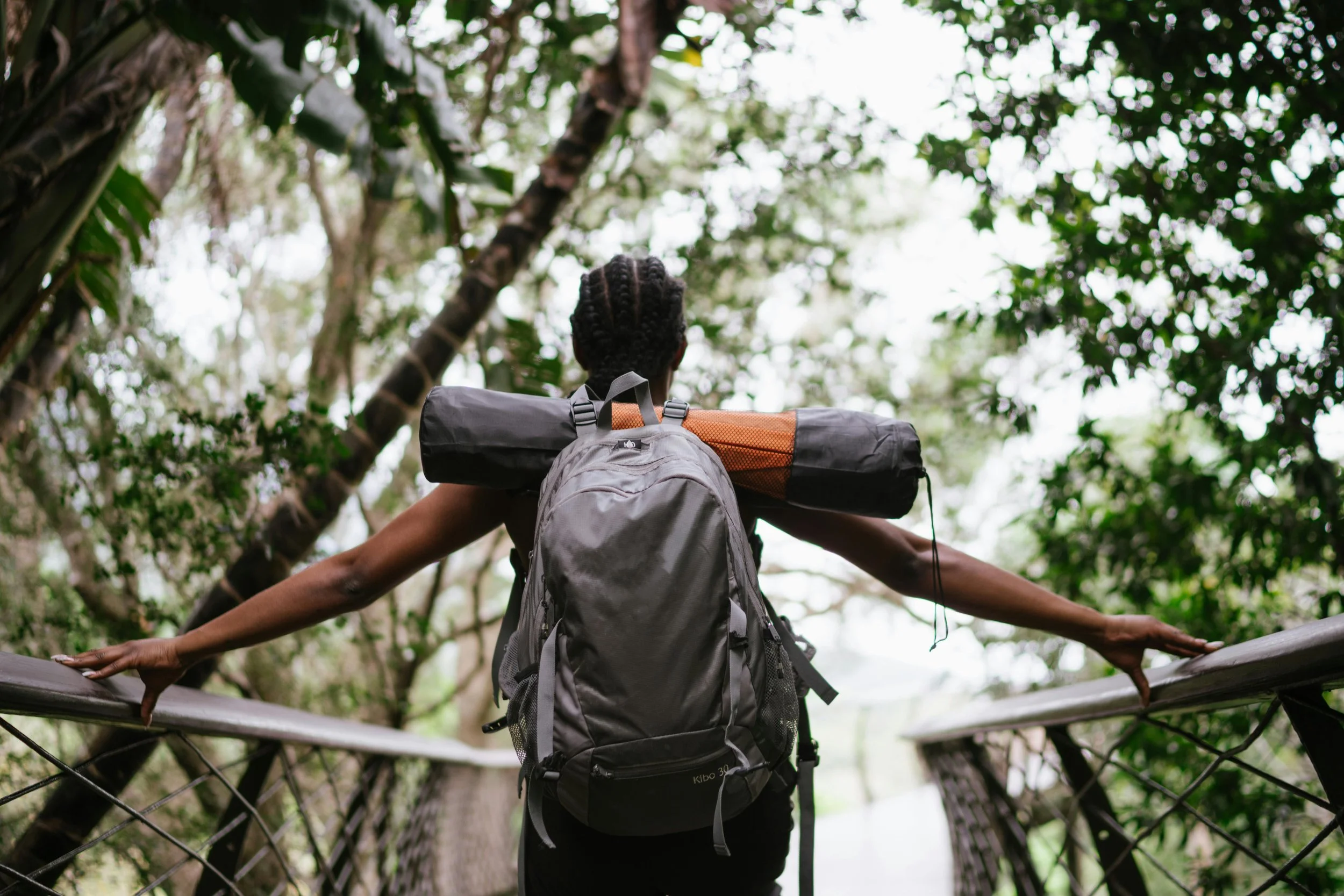
My Story: What I Was Leaving Behind
Before moving country, fear of change had stopped me from doing anything new.
After experiencing deep grief, I needed stability. Something in me had once been broken, and stillness felt safer than movement. But like a river that comes to a standstill and becomes a swamp, that stillness slowly turned into boredom, heaviness, and disengagement from life.
When we try to silence the uncomfortable, the nervous system inevitably also silences the joys of life.
I remember sitting in the office, in front of my screen, afraid to make any changes, at work or in my life. I had reached the limit of that pause. I could feel that fear of change had quietly disconnected me from myself.
Then suddenly, I felt attached to the place I was leaving, the issues I faced became triggers that confused me on what to do, do I get in touch with those who abused me since they were also the same ones I had relations with.
There was a dead heaviness I carried everywhere.
Instead of pushing it away, I decided to seek somatic theray to help me become aware of the discomfort That awareness led me to explore work opportunities, and eventually, to apply for a secondment in another country.
The Part of the Move We Don’t Pause For
When we move countries, the focus is often on what we’re moving towards.
A new job. Better weather. A different lifestyle. Growth. Freedom. Reinvention.
But often the unacknowledged part of relocation is:
What are you leaving behind?
Some people don’t consciously process what they’re leaving behind when they relocate. There’s usually too much to organise, decide, and mentally hold.
Moving country doesn’t always mean the issues will go away from the mind, or the body which also remembers, in the racing heart beat, the pain in the belly, or the tensions.
So instead of being felt and integrated, what’s left behind is often carried silently in the nervous system.
This might include:
Relationships that shaped you, even if they were complicated
Versions of yourself that made sense in your home country
Familiar roles, status, or identity
A sense of being known without explanation
Cultural ease you didn’t realise was holding you
Conflict in the country you were based in
Even when a move is chosen and positive, there is still loss.
From a somatic perspective, unacknowledged loss doesn’t disappear, it shows up as restlessness, anxiety, numbness, or a sense of being untethered.
What I Was Moving Towards
I wasn’t only looking for a change in work…I wanted a change in life.
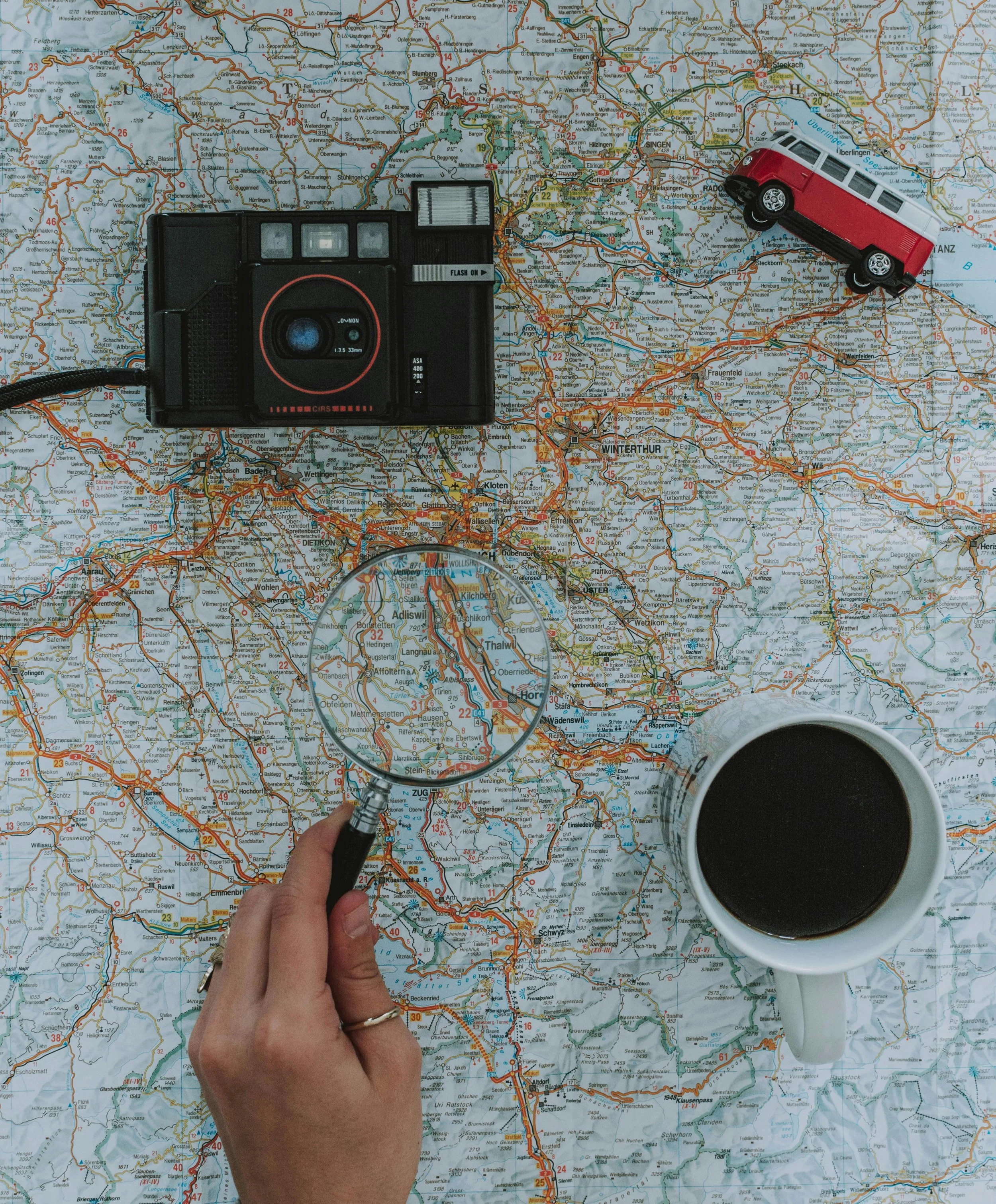
Living in a new country felt like an invitation to re-engage with myself. New people. Sunshine. A different culture, and way of life. My curiosity came back online, and with it, a willingness to confront my fear of life rather than remain protected from it.
Fear exists to alert us to danger. But after stress, trauma, overwhelm, or burnout, fear can become overprotective.
A stressful or traumatic event can push the nervous system into a freeze response. The stronger and longer-lasting the fear, the deeper that freeze can become. The body holds sensations it wasn’t able to process at the time, and when movement or change threatens to bring those sensations back, the nervous system retreats into the fear and freeze again.
This creates a cycle of fear–freeze–fear, where life slowly revolves around avoiding activation rather than moving towards aliveness.
Our personality builds itself around it, to protect ourselves, and this is often unconscious.
Something in me knew that if I wanted my life to expand again. I would need to meet fear through the body, not think my way out of it. doing it alone didn’t work, so I seeked help.
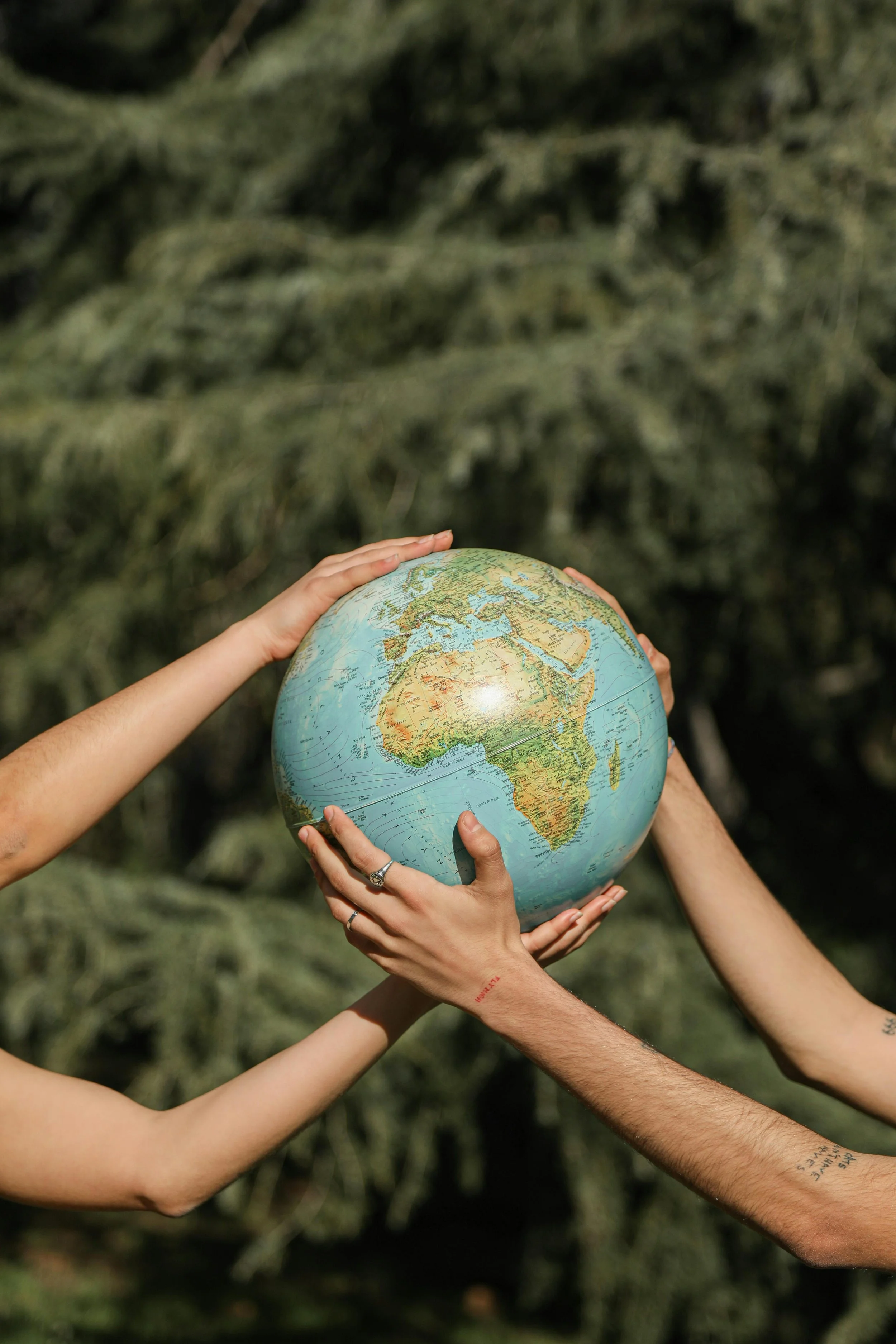
I was moving towards space, warmth, curiosity, language, architecture, people, and a deeper healing journey. Sunshine was part of that. So was novelty. Whi;e processing what was held inthe nervous system it learned that change didn’t mean danger.
Identity in Transition: Between Who You Were and Who You’re Becoming
Living internationally often places people in an in-between space.
You are no longer fully who you were in your home country…and not yet fully who you are becoming.
This liminal phase can feel uncomfortable, disorienting, and lonely.
The outside, may look like freedom. However, inside, it can feel like groundlessness, anxiety, fear, and loss.
Somatically, this is a period where the nervous system is recalibrating:
Old patterns no longer work
New ones haven’t stabilised yet
The body is learning new cues for safety and belonging

Without support, many expats interpret this phase as failure or instability, rather than a necessary stage of transformation, and a need for support .
Stress, Trauma, Transitions & Why Some Moves Feel Heavier Than Others
Stress and trauma narrows life.
It shrinks perspective, limits perceived options, and reduces the space the body feels safe to take up. You can often hear it in the voice when someone speaks about a painful event. The throat tightens. Breath becomes shallow. Expression constricted.
Safely coming out of a fear response doesn’t just calm the nervous system; it opens the body, the mind, and the field of possibility. There are various outcomes, sometimes coming out of fear is more fearful, a double fear.
I wasn’t just moving country towards something new. I was also moving away from something.
The nervous system orients towards what feels nourishing and safe, and away from what feels threatening or depleting. However, when you’ve had less than nurturing childhoods, or an adverse event changes you, then the unsafe can feel safer and safety feel unsafe.
Understanding this helped me see my move not as escape, but with help from my somatic therapist, as a regulated turning point.
A Somatic Question Worth Sitting With
Rather than rushing to feel settled or “successful” abroad, I often invite expats to gently explore:
What am I leaving behind that still matters?
And what am I genuinely moving towards, not just in my mind, but in my nervous system?
These are not questions to answer quickly.
They are questions to feel, in the body, notice, and allow space for, without judgment.
How Somatic Therapy Supports This In-Between Space
Somatic therapy offers support when words and logic aren’t enough.
For expats, digital nomads, and internationally mobile people, it can help to:
Process unacknowledged stress, loss, and overwhelm
Regulate fear during identity transitions
Build internal grounding while external life shifts
Support the nervous system to move forward without leaving parts of yourself behind or suppressed

This work isn’t about forcing clarity.
It’s about creating enough safety in the body for clarity to emerge naturally.
A Somatic Question Worth Returning To
When you’re preparing for or living through a move, it can be powerful to gently ask:
What am I moving away from that no longer serves me?
And what am I genuinely moving towards? Notice what happens bodily, and not just the cognitive level?
These questions aren’t meant to be answered quickly.
They are invitations to notice what wants comfort, connection, and expansion.
An Invitation for Expats & Digital Nomads
If you feel blocked, frozen, or caught between fear and longing during a move, I can support you in working through what’s held in the body.
Being in a new country can be both exciting and deeply challenging. Alongside novelty, there is often grief for familiarity, relationships, and the life you once knew.
I offer online somatic therapy for expats, digital nomads, and globally mobile people navigating stress, burnout, trauma, transitions, and identity shifts.
This is the second post in an ongoing series exploring expat life through a somatic lens, including belonging, loneliness, identity, and overwhelm abroad.
You don’t have to force yourself forward. Your nervous system is allowed to move at its own pace.
Reflection Prompts
If you’d like to sit with this gently, you might reflect on:
What am I leaving behind that my mind and body still feels connected to? Even if my mind has moved on?
What am I moving towards that genuinely feels nourishing, not just impressive or logical?
Where might fear be protecting me, and what support would help me feel safe enough to move again?
There’s no need to answer these quickly. Sometimes noticing is enough.
This Series on Expat Life & the Nervous System
In the first post of this series, Moving Country & the Hidden Overwhelm, we explored how relocation can dysregulate the nervous system even when the move is chosen and exciting.
In this piece, we go a layer deeper: what we’re leaving behind, what we’re moving towards, and how identity, stress, and trauma shape that transition.
In the next post, we’ll explore a common but rarely spoken experience in expat life: why you can feel lonely abroad even when you’re surrounded by people, and what the nervous system has to do with it.
Author Bio
Soul Somatic Therapy is founded by Verinder Sharma, a Somatic Experiencing Practitioner (SEP) therapist and former international finance professional, Verinder Sharma, who has lived and worked across multiple countries. After experiencing firsthand the hidden nervous system impact of relocation, career transitions, and life abroad, he now supports expats, digital nomads, and globally mobile professionals through somatic experiencing therapy.
His work focuses on helping people regulate overwhelm, anxiety, and burnout during major life transitions, especially moving country, adapting to new cultures, and rebuilding a sense of belonging. He offers online sessions for the international community, integrating stress and trauma resolution, body-based approaches that go beyond traditional talk therapy.